

How to Unclog a Drain Without Calling a Plumber: Effective DIY Methods That Work
Clogged drains are a common household issue that can lead to frustration and costly repairs if not addressed promptly. Fortunately, there are effective DIY methods to unclog drains without the need for a plumber. This article will guide you through various techniques and solutions that can help you tackle this problem efficiently. You will learn about the common causes of drain clogs, natural and homemade cleaners, mechanical tools that can assist in the process, preventative measures to avoid future clogs, and when it might be necessary to call a professional. By the end of this guide, you will be equipped with the knowledge to handle drain clogs confidently and effectively.
What Are the Common Causes and Types of Drain Clogs?
Understanding the common causes of drain clogs is essential for effective prevention and resolution. Clogs can occur due to various substances accumulating in the pipes, leading to slow drainage or complete blockages. Identifying these causes can help homeowners take proactive measures to maintain their plumbing systems.
Which Substances Typically Cause Hair and Grease Clogs?
Hair and grease are two of the most common culprits behind drain clogs. Hair can easily accumulate in shower and sink drains, forming a tangled mass that traps other debris. Grease, often from cooking, can solidify in pipes, creating a sticky buildup that restricts water flow. Additionally, soap scum and food particles can contribute to these clogs, making it crucial to be mindful of what goes down the drain.
How Can You Identify the Severity of a Slow or Fully Blocked Drain?
Identifying the severity of a clog is vital for determining the appropriate action. Signs of a slow drain include gurgling sounds, water pooling around the drain, and slow water movement. In contrast, a fully blocked drain may result in water backing up into sinks or tubs. If multiple drains are affected or if foul odors are present, it may indicate a more serious issue that requires immediate attention.
What Natural and Homemade Drain Cleaners Effectively Unclog Drains?

Natural and homemade drain cleaners can be effective alternatives to chemical solutions, providing a safer and environmentally friendly approach to unclogging drains. These methods often utilize common household ingredients that can break down clogs without damaging pipes.
How Does the Baking Soda and Vinegar Combination Work to Clear Drains?
The baking soda and vinegar combination is a popular DIY method for clearing drains. When baking soda is poured down the drain, it reacts with vinegar to create a fizzy reaction that can help dislodge debris. This method is effective for minor clogs and can be repeated as needed. To use this method, pour half a cup of baking soda followed by half a cup of vinegar down the drain, cover it for about 15 to 30 minutes, and then flush with hot water.
When Should You Use Boiling Water, Salt, or Lemon Juice for Drain Cleaning?
Boiling water can be an effective solution for clearing grease clogs. Pouring boiling water down the drain can help dissolve grease and soap buildup. Salt can also be used as an abrasive agent to scrub the insides of pipes. Lemon juice, with its natural acidity, can help break down organic matter and leave a fresh scent. These methods are best used for routine maintenance or when a clog is suspected but not yet severe.
How Can Mechanical Tools Help Remove Stubborn Drain Clogs?
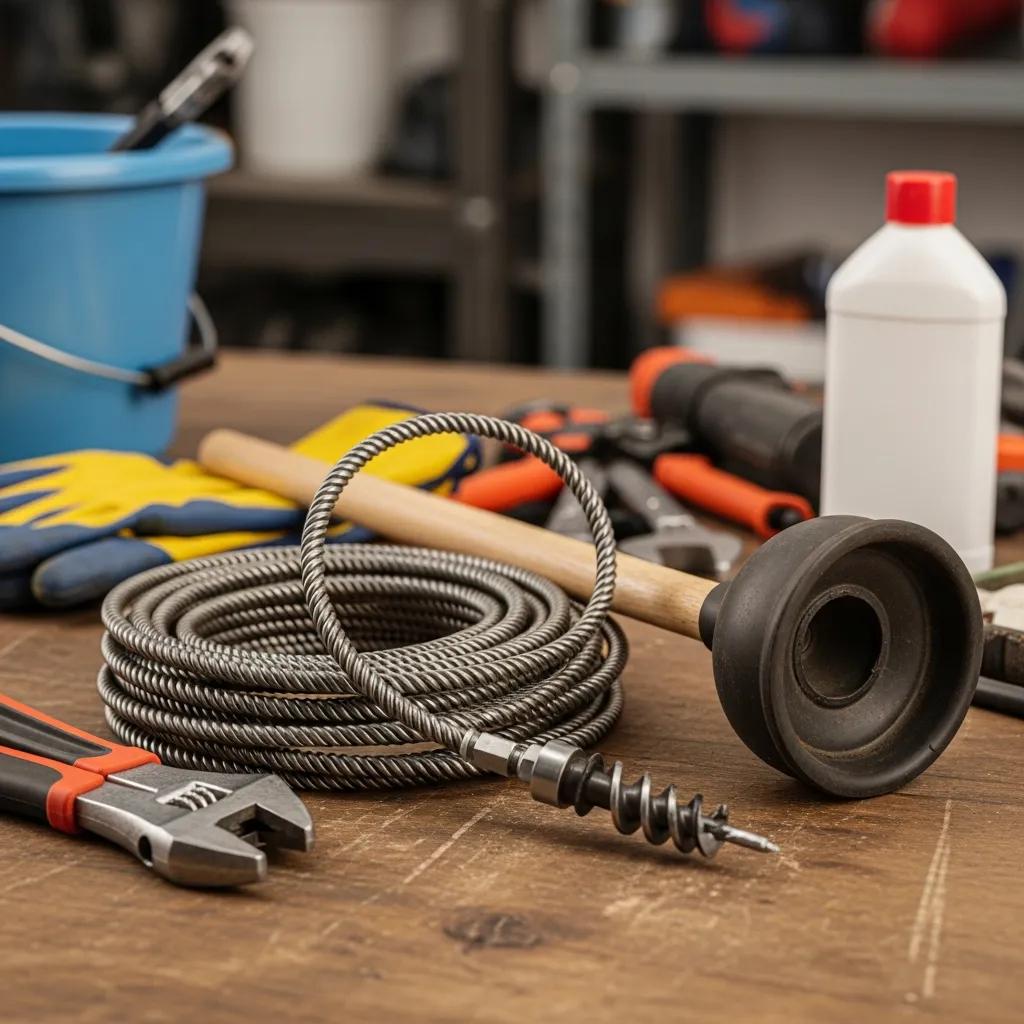
When DIY methods fail, mechanical tools can provide the extra force needed to remove stubborn clogs. These tools are designed to reach deep into pipes and dislodge blockages that are otherwise inaccessible.
What Is the Proper Technique to Use a Plunger for Different Drains?
Using a plunger effectively requires understanding the type of drain you are dealing with. For sinks, ensure there is enough water to cover the plunger’s cup, creating a seal. For toilets, position the plunger over the drain hole and push down firmly before pulling up quickly. Repeat this process several times to create suction that can dislodge the clog. Avoid using a plunger on drains that are already overflowing, as this can create a mess.
How Do You Safely Use a Drain Snake and Clean the P-trap?
A drain snake is a flexible tool that can reach deep into pipes to remove clogs. To use a drain snake, insert it into the drain and turn the handle to break up the clog. Be cautious not to force the snake too hard, as this can damage pipes. Additionally, cleaning the P-trap, the curved section of pipe under sinks, can help remove debris that accumulates there. To clean it, place a bucket underneath, unscrew the trap, and remove any buildup before reassembling.
What Preventative Measures Can Homeowners Take to Avoid Future Drain Clogs?
Preventing drain clogs is often easier than dealing with them after they occur. By adopting certain habits and using specific products, homeowners can significantly reduce the likelihood of clogs developing in the first place.
Which Daily Habits and Products Help Prevent Hair and Grease Buildup?
To prevent hair clogs, consider using drain screens in showers and sinks to catch hair before it enters the pipes. Regularly cleaning these screens can help maintain clear drains. For grease, avoid pouring cooking oils down the sink. Instead, dispose of them in a sealed container. Additionally, running hot water down the drain after cooking can help flush away any residual grease.
How Do Eco-Friendly Drain Maintenance Products Support Long-Term Drain Health?
Eco-friendly drain maintenance products can help keep pipes clear without the harsh chemicals found in traditional cleaners. These products often contain natural enzymes that break down organic matter, preventing buildup. Regular use of these products can promote long-term drain health and reduce the need for emergency plumbing services.
When Is It Necessary to Call a Professional Plumber Instead of DIY?
While many clogs can be resolved with DIY methods, there are situations where professional intervention is necessary. Recognizing these signs can save homeowners time and money in the long run.
What Are the Signs That a Drain Clog Requires Professional Intervention?
If multiple drains are clogged simultaneously, it may indicate a more significant issue within the plumbing system. Additionally, persistent clogs that return shortly after being cleared, or foul odors emanating from drains, are signs that a professional plumber should be consulted. In these cases, a plumber can conduct a thorough inspection and provide solutions that address the root cause of the problem.
How Can You Connect with Trusted Plumbing Services Through The Self Made Plumber?
For homeowners seeking reliable plumbing services, The Self Made Plumber offers a platform to connect with vetted professionals. By utilizing this resource, homeowners can find trusted plumbers in their area, ensuring that they receive quality service when needed. This connection can be invaluable, especially in urgent situations where immediate assistance is required.
| Cleaning Method | Ingredients | Effectiveness |
|---|---|---|
| Baking Soda & Vinegar | Baking soda, vinegar | Moderate for minor clogs |
| Boiling Water | Water | Moderate for grease clogs |
| Salt & Lemon Juice | Salt, lemon juice | Mild to moderate for organic matter |
In conclusion, understanding how to unclog a drain without calling a plumber can empower homeowners to tackle plumbing issues confidently. By recognizing common causes, utilizing natural cleaners, employing mechanical tools, and adopting preventative measures, individuals can maintain their plumbing systems effectively. However, knowing when to seek professional help is equally important to ensure long-term plumbing health.