
How to Fix a Running Toilet: Complete DIY Repair Guide for Homeowners
A running toilet can be a frustrating and costly issue for homeowners, leading to increased water bills and potential damage if left unchecked. This comprehensive guide will walk you through the common causes of a running toilet, how to diagnose the problem, and step-by-step instructions for fixing it yourself. By understanding the mechanics of your toilet and the parts involved, you can save money and gain confidence in your DIY plumbing skills. We will cover essential topics, including the role of toilet flappers, fill valves, and flush valves, as well as when to call a professional plumber for assistance.
What Causes a Toilet to Keep Running?
A running toilet is often caused by faulty components that fail to seal properly, allowing water to continuously flow from the tank into the bowl. Understanding these causes is crucial for effective repairs. Common issues include worn-out flappers, malfunctioning fill valves, and problems with the flush valve or the overflow tube. Addressing these issues promptly can prevent water waste and save on utility bills.
How Do Toilet Flappers Affect Running Toilets?
Toilet flappers are rubber components that seal the flush valve at the bottom of the tank. When the flapper is worn, warped, or misaligned, it can fail to create a proper seal, causing water to leak into the bowl continuously. Signs of a faulty flapper include a hissing sound or water running intermittently. Regularly checking and replacing flappers can significantly reduce the chances of a running toilet.
What Role Do Fill Valves and Flush Valves Play in Toilet Running?
Fill valves and flush valves are essential components that control the water flow in a toilet. The fill valve refills the tank after a flush, while the flush valve releases water into the bowl. If either valve is malfunctioning, it can lead to a running toilet. For instance, a fill valve that does not shut off properly will allow water to continue flowing into the tank, potentially causing water to flow into the overflow tube, while a faulty flush valve or flapper can cause water to leak into the bowl. Understanding these components helps in diagnosing the issue effectively.
Research further supports that issues with the flush valve, such as leakages or problems with its operation, are common causes of toilet malfunctions.
Common Toilet Flush Valve & Cistern Problems
Flush Valve: Due to frequent use of flush valve there are leakages problem at handle. But problems related to all types of WC are flush do not operate, overflow of flushing cistern,
Problem Associated with Plumbing and its Maintenance, SG Kamble, 2015
How to Diagnose Running Toilet Problems Step-by-Step
Diagnosing a running toilet involves a systematic approach to identify the faulty component. By following a few simple steps, homeowners can pinpoint the issue and determine the necessary repairs.
Indeed, effective diagnosis methods and repair techniques are crucial for addressing plumbing issues in residential settings.
Residential Toilet Plumbing Diagnosis & Repair
diagnosis methods and repair techniques in residential water appliances in residential buildings include sinks, toilets, plumbing issues in residential properties. By identifying common
Plumbing defects in residential buildings: analysis of anomalies and their causes, A Gurmu, 2023
Which Tools and Materials Are Needed for Toilet Repair?
To effectively diagnose and repair a running toilet, you will need a few essential tools and materials:
- Adjustable Wrench: For loosening and tightening nuts and bolts.
- Screwdriver: To remove screws from the tank and other components.
- Replacement Parts: Such as flappers, fill valves, and flush valves.
- Towel or Sponge: To soak up any spills during the repair process.
- Food Coloring or Dye Tablets: To test for leaks from the tank to the bowl.
Having these tools on hand will make the repair process smoother and more efficient.
The importance of understanding residential plumbing, including the necessary tools and maintenance, has been a focus of educational curricula for decades.
Residential Plumbing System Maintenance & Repair Curriculum
This twenty-nine-unit residential plumbing curriculum contains teacher and student materlals based on the Vocational-Technical Education Consortium of States (V-TECS) Plumbing Catalog of Performance Objectives, Performance Guides, and Tool and Equipment Lists. The twenty-nine units are divided into seven sections which cover these topics: Tools and Equipment; Residential Systems; Fixture and Appliance Installation; and System Maintenance and Repair.
Residential Plumbing., 1980
How to Identify Faulty Toilet Parts Causing Running Water?
To identify which part is causing the running water, start by inspecting the flapper for wear and tear. If it appears damaged or warped, it likely needs replacement. Next, check the fill valve by observing if it shuts off after the tank fills. If it continues to run, it may need adjustment or replacement. You can also add a few drops of food coloring to the tank water and wait 10-15 minutes without flushing; if colored water appears in the bowl, it indicates a leak, often from the flapper or flush valve. Lastly, inspect the flush valve and overflow tube for any signs of leaks or damage. By systematically checking these components, you can determine the source of the problem.
How to Replace a Toilet Flapper to Stop Running Water
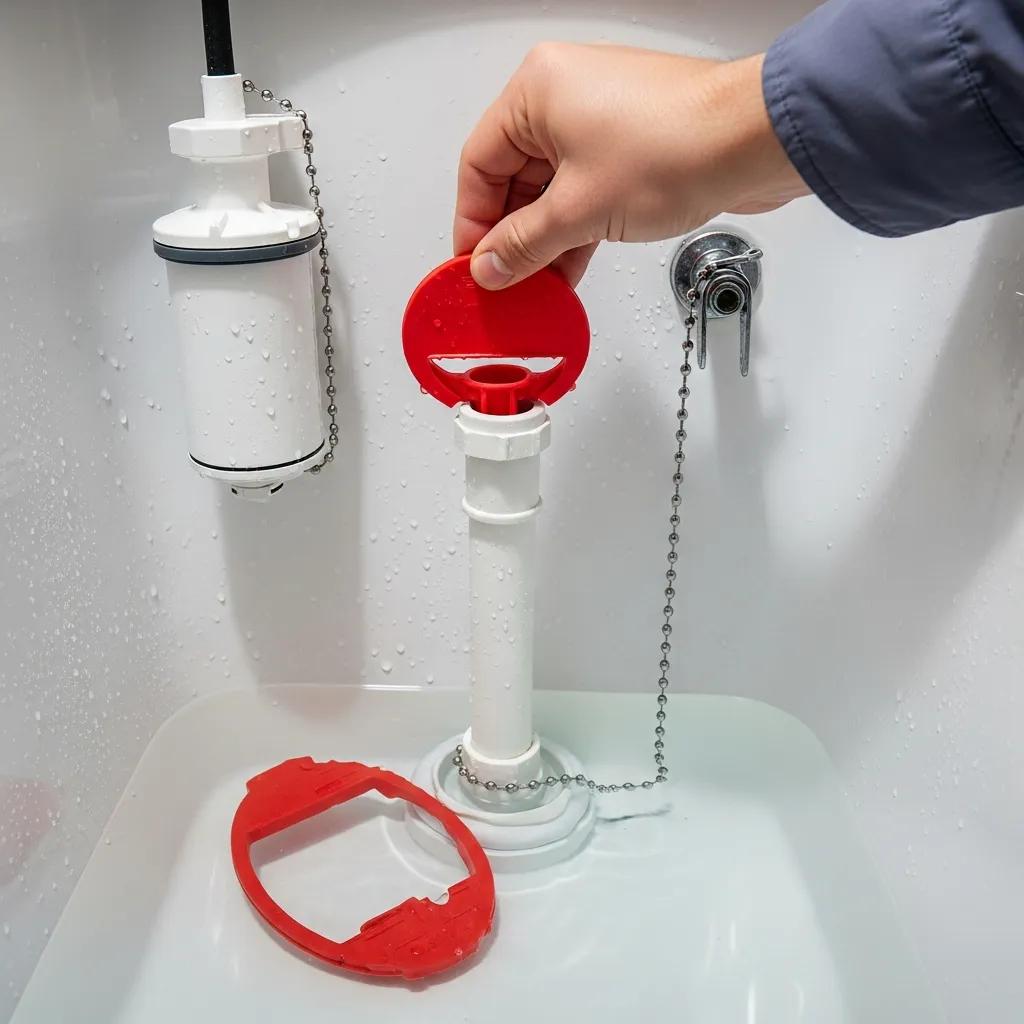
Replacing a toilet flapper is a straightforward process that can resolve many running toilet issues. This section will guide you through the necessary steps to ensure a proper replacement.
What Are the Steps for Toilet Flapper Replacement?
- Turn Off the Water Supply: Locate the shut-off valve behind the toilet and turn it clockwise to stop the water flow.
- Drain the Tank: Flush the toilet to empty the tank, and use a sponge to soak up any remaining water.
- Remove the Old Flapper: Disconnect the flapper from the flush valve and the chain attached to the handle.
- Install the New Flapper: Attach the new flapper to the flush valve and connect the chain to the handle, ensuring the chain has a slight slack to allow proper flushing.
- Turn the Water Supply Back On: Open the shut-off valve and allow the tank to fill. Check for leaks around the flapper.
By following these steps, you can effectively replace the flapper and stop the toilet from running.
How to Choose the Right Toilet Flapper Replacement Part?
When selecting a replacement flapper, consider the following factors:
- Compatibility: Ensure the flapper is compatible with your toilet model and flush valve size (commonly 2-inch or 3-inch).
- Material: Look for durable materials that resist wear, such as rubber or silicone.
- Size: Flappers come in various sizes; measure your old flapper or the flush valve opening to find the correct fit.
Choosing the right flapper will ensure a proper seal and prevent future leaks.
How to Repair or Adjust the Toilet Fill Valve
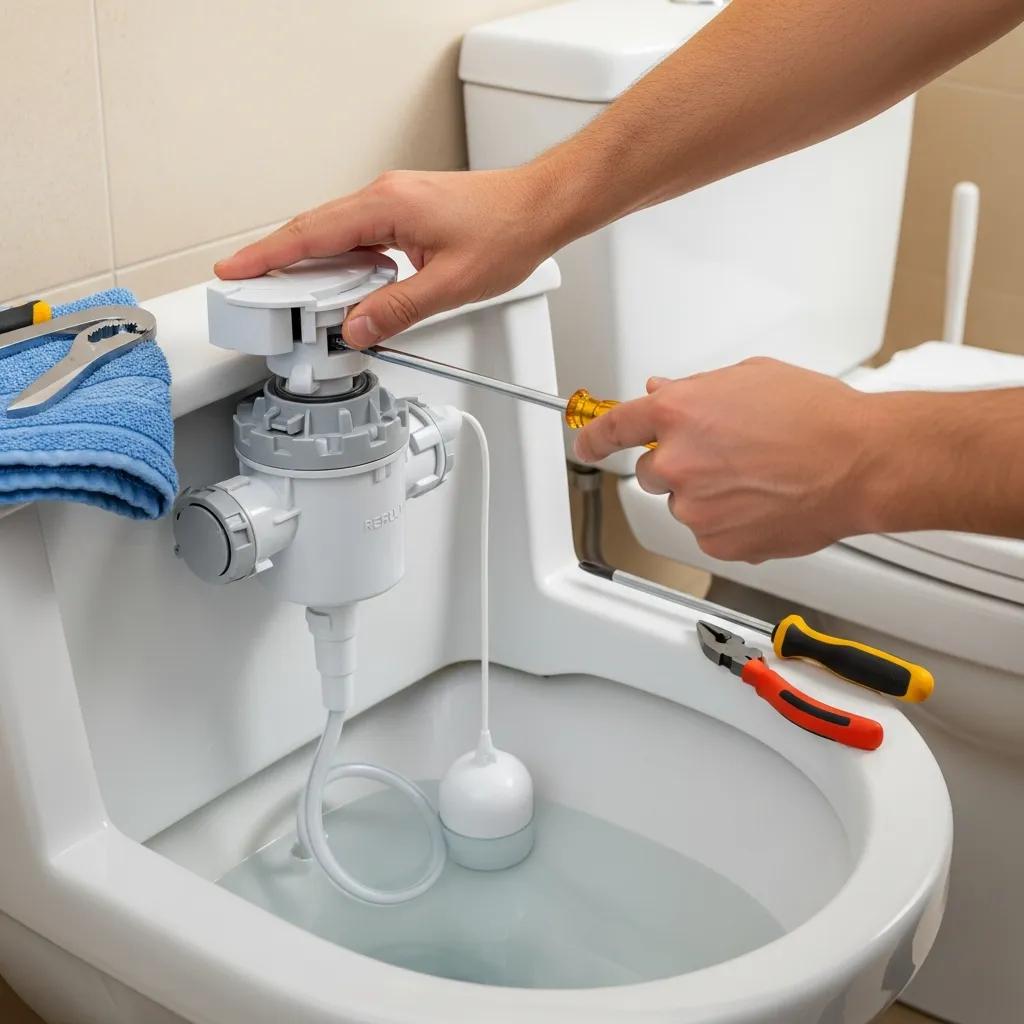
The fill valve is another critical component that can cause a running toilet if not functioning correctly. Adjusting or replacing the fill valve can often resolve the issue.
How Do You Adjust a Fill Valve to Stop Toilet Running?
To adjust the fill valve, follow these steps:
- Locate the Adjustment Mechanism: Most modern fill valves have a screw, clip, or a sliding adjustment on the valve shaft that controls the water level.
- Adjust the Water Level: Turn the screw clockwise or slide the clip down to lower the water level, or counterclockwise/slide up to raise it.
- Test the Water Level: Flush the toilet and observe the water level in the tank. It should be about 1 inch (2.5 cm) below the top of the overflow tube.
Adjusting the fill valve can help prevent water from overflowing and causing a running toilet.
When Should You Replace the Fill Valve Instead of Adjusting?
If adjusting the fill valve does not resolve the issue, it may be time for a replacement. Signs that replacement is necessary include:
- Constant Running: If the toilet continues to run after adjustments.
- Visible Damage: Cracks, corrosion, or mineral buildup on the fill valve.
- Frequent Repairs: If you find yourself adjusting the valve often, it may be more cost-effective to replace it.
Replacing the fill valve can provide a long-term solution to running toilet issues.
When to Call a Professional Plumber for Running Toilet Issues
While many running toilet problems can be resolved through DIY repairs, there are times when professional help is necessary. Understanding when to call a plumber can save you time and money.
What Are Signs That DIY Repair Isn’t Enough?
- Persistent Issues: If the toilet continues to run despite multiple repairs.
- Complex Problems: Issues with the plumbing system that go beyond simple component replacements, such as problems with the toilet’s internal mechanisms or water supply line.
- Water Damage: Signs of water damage around the toilet or in the bathroom.
If you encounter these issues, it may be best to consult a professional plumber.
How Does The Self Made Plumber Connect Homeowners with Trusted Plumbers?
The Self Made Plumber is a specialized plumbing resource platform focused on empowering homeowners with practical DIY plumbing repair guides and connecting them with reputable plumbing services. If you find yourself in need of professional assistance, The Self Made Plumber can help you find trusted plumbers in your area, ensuring you receive quality service for your plumbing needs.