
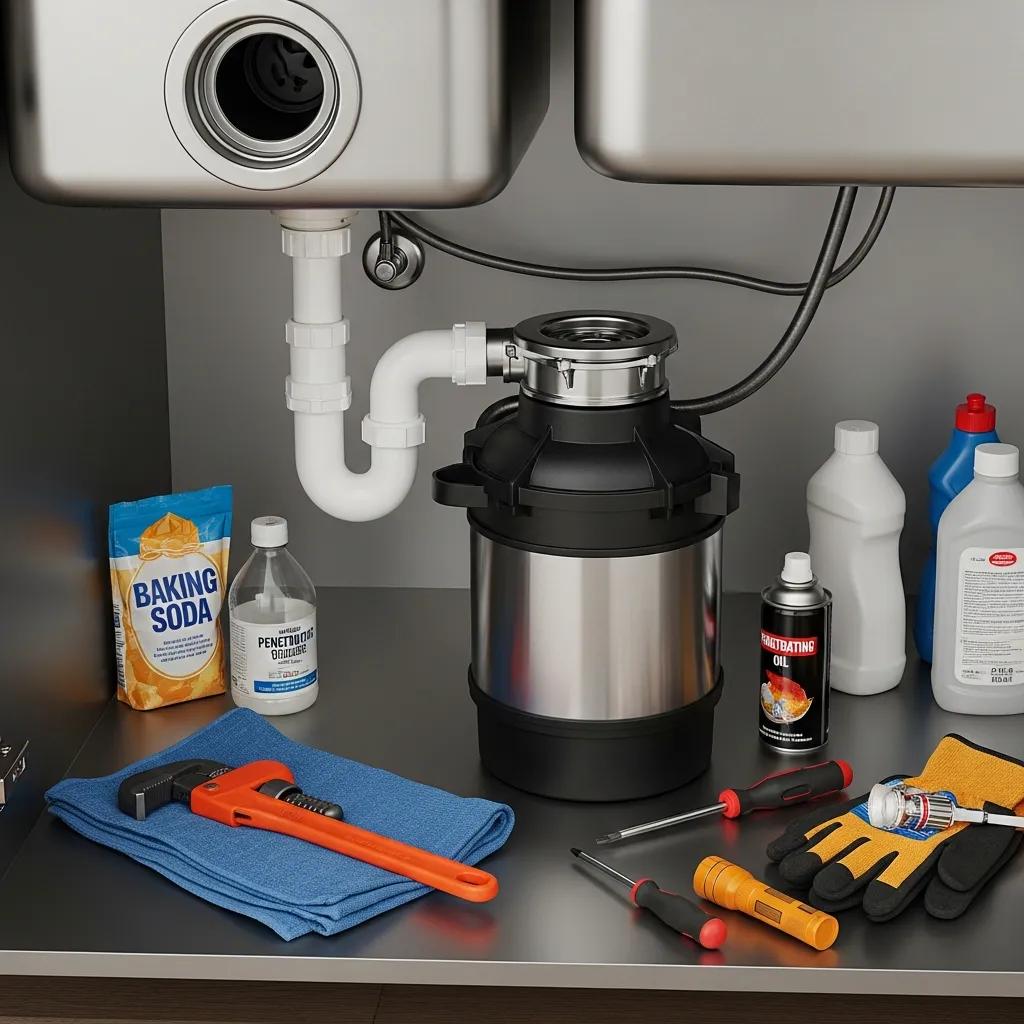
How to Fix a Garbage Disposal: Complete Troubleshooting and Repair Guide for Homeowners
A malfunctioning garbage disposal can be a frustrating experience for homeowners, often leading to confusion and potential plumbing issues. This comprehensive guide will equip you with the knowledge to troubleshoot and repair common garbage disposal problems effectively. By understanding the mechanisms behind these appliances, you can save time and money while ensuring your kitchen remains functional. In this article, we will explore various issues, including why your garbage disposal may not be spinning, how to reset it, methods for unclogging, and tips for preventative maintenance. Additionally, we will discuss when it might be necessary to call a professional plumber for assistance.
Why Is My Garbage Disposal Not Spinning? Common Causes and Solutions
When your garbage disposal fails to spin, it can be due to several common issues. Understanding these causes can help you identify the problem and implement the appropriate solution. The most frequent reasons for a non-spinning disposal include electrical issues, jams, and mechanical failures. Addressing these problems promptly can prevent further damage and ensure your disposal operates efficiently.
What Are the Signs of a Jammed Garbage Disposal?
Identifying a jammed garbage disposal is crucial for timely intervention. Common signs include:
- Unusual Noises: Grinding or rattling sounds may indicate that something is obstructing the impellers (not blades, as disposals use impellers).
- Failure to Turn On: If the disposal does not respond when activated, it may be jammed or experiencing electrical issues.
- Frequent Tripping of Circuit Breaker: If the circuit breaker trips often, it could be a sign of a jammed motor.
Recognizing these signs early can help you take action before the problem escalates.
How Do You Use an Allen Wrench to Unjam the Impeller?
Using an Allen wrench is a straightforward method to unjam a garbage disposal. Follow these steps:
- Locate the Allen Wrench Slot: Most disposals have a hex-shaped hole at the bottom center of the unit.
- Insert and Turn the Wrench: Place the Allen wrench into the slot and turn it back and forth to free the impellers.
- Check for Movement: After a few turns, try to manually rotate the impellers to ensure they are no longer jammed.
This method can often resolve the issue without the need for professional help.
How to Reset a Garbage Disposal: Step-by-Step Instructions
Resetting your garbage disposal can resolve many minor issues, including humming sounds without operation. This process is simple and can be done in just a few steps.
Where Is the Reset Button Located on Different Garbage Disposal Models?
The reset button is typically located on the bottom or side of the disposal unit. Here’s how to find it on various models:
- InSinkErator: Look for a red or black button on the bottom of the unit.
- Waste King: The reset button is usually found on the bottom or side.
- Moen: Check the bottom for a small, round button.
Knowing the location of the reset button can save you time when troubleshooting.
What to Do When the Garbage Disposal Hums but Does Not Work
If your garbage disposal hums but does not operate, it may indicate a jammed motor or an electrical issue. Here’s how to troubleshoot:
- Turn Off Power: Always ensure the disposal is unplugged or the circuit breaker is turned off.
- Check for Jams: Use an Allen wrench to unjam the impellers as described earlier.
- Reset the Disposal: After addressing any jams, press the reset button and restore power.
Following these steps can often restore functionality to your disposal.
How to Unclog a Garbage Disposal: Effective DIY Methods and Tools
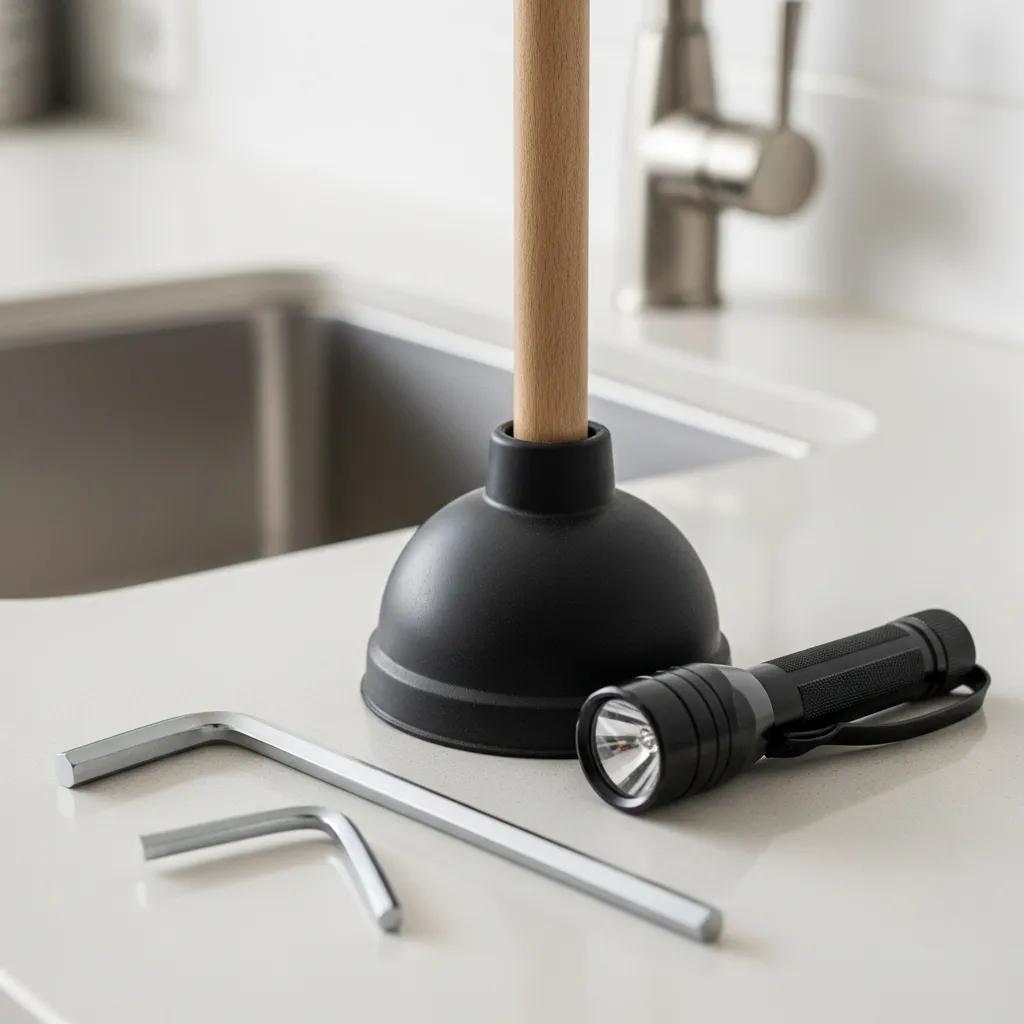
Clogs in garbage disposals can lead to unpleasant odors and inefficient operation. Knowing how to effectively unclog your disposal can save you from costly repairs.
Which Tools Are Best for Clearing Garbage Disposal Clogs?
When dealing with clogs, having the right tools can make the process easier. Essential tools include:
- Plunger: A standard cup plunger can help dislodge minor clogs in the drain line (not inside the disposal chamber).
- Allen Wrench: Useful for unjamming the impellers.
- Flashlight: To inspect the disposal for visible obstructions.
These tools can assist in effectively clearing clogs and restoring function.
How to Safely Remove Foreign Objects from Your Garbage Disposal
Removing foreign objects from your garbage disposal requires caution. Follow these steps for safe removal:
- Turn Off Power: Ensure the disposal is unplugged or the circuit breaker is off.
- Use Tongs or Pliers: Carefully reach into the disposal with tongs or pliers to extract the object. Never use your hands.
- Inspect for Damage: After removal, check for any damage to the impellers or motor.
Taking these precautions can prevent injury and further damage to your disposal.
How to Repair a Leaking Garbage Disposal: Identifying and Fixing Common Leaks
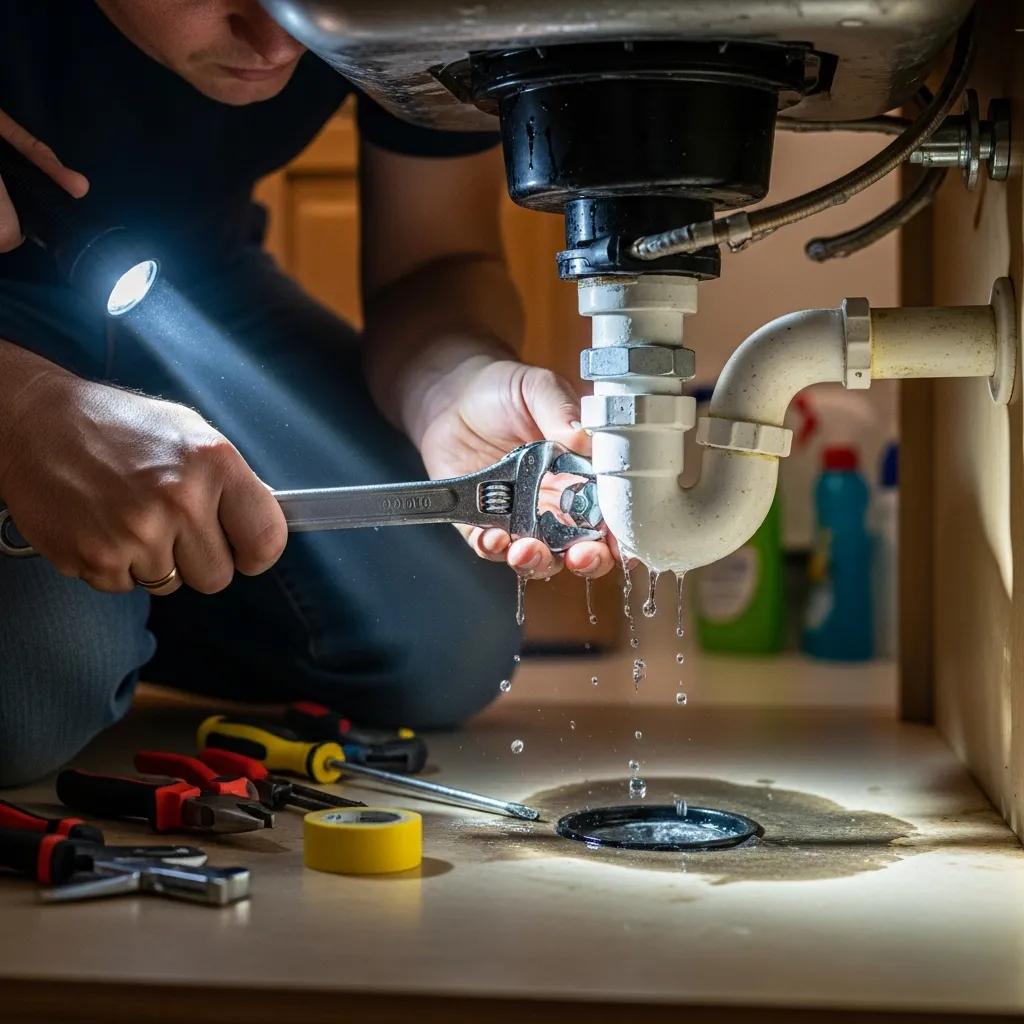
Leaks in garbage disposals can lead to water damage and mold growth. Identifying the source of the leak is essential for effective repair.
What Causes Garbage Disposal Leaks and How to Diagnose Them?
Common causes of leaks include:
- Loose Connections: Check the mounting assembly, dishwasher inlet, and drain connections for tightness.
- Worn Seals: Inspect the rubber splash guard (sink flange) and other seals for wear and replace if necessary.
- Cracks in the Unit: Look for visible cracks in the disposal body.
Diagnosing the source of the leak can help you determine the best repair method.
How to Repair Seals and Connections to Stop Leaks
To repair leaks, follow these steps:
- Tighten Connections: Use a wrench to tighten any loose connections.
- Replace Worn Seals: Remove the old seal (such as the sink flange or gasket) and install a new one, ensuring a snug fit.
- Test for Leaks: After repairs, run water through the disposal to check for leaks.
These steps can help you effectively address leaks and prevent future issues.
What Are Preventative Maintenance Tips to Extend Your Garbage Disposal’s Lifespan?
Regular maintenance can significantly extend the lifespan of your garbage disposal. Implementing simple practices can keep your unit running smoothly.
Which Cleaning Techniques Eliminate Odors and Keep Your Disposal Fresh?
To keep your garbage disposal fresh, consider these cleaning techniques:
- Ice and Salt: Grinding ice cubes with coarse salt can help clean the impellers and remove debris.
- Citrus Peels: Running citrus peels through the disposal can provide a fresh scent.
- Baking Soda and Vinegar: A mixture of baking soda and vinegar can help eliminate odors and clean the unit. Allow the mixture to fizz for several minutes before rinsing with hot water.
These methods can help maintain a clean and odor-free disposal.
What Are the Do’s and Don’ts for Garbage Disposal Use and Care?
Do’s:
- Run Cold Water: Always run cold water while using the disposal to help solidify fats and flush food particles.
- Cut Food into Small Pieces: Smaller pieces are less likely to cause jams.
Don’ts:
- Avoid Hard Objects: Never put bones, fruit pits, or other hard items in the disposal.
- No Grease: Do not pour grease or oil down the disposal, as it can solidify and cause clogs.
Following these guidelines can help you avoid common pitfalls and extend the life of your disposal.
When Should You Call a Professional Plumber for Garbage Disposal Repair?
While many issues can be resolved through DIY methods, some situations require professional assistance. Knowing when to call a plumber can save you time and prevent further damage.
What Are the Signs That DIY Repairs Are Not Enough?
Signs that you may need professional help include:
- Persistent Issues: If problems recur despite your efforts, it may indicate a deeper issue.
- Unusual Noises: Grinding or rattling sounds that persist can signal mechanical failure.
- Water Damage: If you notice water pooling under the sink, it’s time to call a professional.
Recognizing these signs can help you avoid further complications.
How to Connect with Reputable Plumbing Services Through The Self Made Plumber
For homeowners seeking reliable plumbing services, The Self Made Plumber offers a directory of reputable professionals. This resource can help you find qualified plumbers in your area, ensuring you receive quality service when needed. By utilizing this service, you can connect with experts who can address your garbage disposal issues effectively.
| Leak Source | Diagnosis | Repair Method |
|---|---|---|
| Loose Connections | Check for tightness | Tighten with a wrench |
| Worn Seals | Inspect for wear | Replace with new seals |
| Cracks in Unit | Look for visible damage | Replace the disposal |
In conclusion, understanding how to troubleshoot and repair your garbage disposal can save you time and money. By following the guidelines outlined in this article, you can effectively address common issues and maintain your unit for years to come.