Common Plumbing Emergencies and How to Handle Them: A Homeowner’s Guide to Immediate Response and Prevention
Plumbing emergencies can strike at any moment, often leading to significant damage and costly repairs if not addressed promptly. This guide aims to equip homeowners with the knowledge to identify common plumbing emergencies and respond effectively. Understanding the nature of these emergencies, such as burst pipes or clogged drains, is crucial for minimizing damage and ensuring safety. In this article, we will explore how to recognize plumbing emergencies, the immediate steps to take, and how to prevent these issues from occurring in the first place. We will also discuss when to call a professional plumber and how to find a trusted service provider.
Understanding the comprehensive scope of residential plumbing, from basic tools to system maintenance, is fundamental for any homeowner.
Indeed, comprehensive educational resources have long been available to help homeowners grasp the fundamentals of residential plumbing systems.
Residential Plumbing System Maintenance & Repair
The twenty-nine units are divided into seven sections which cover these topics: orientation (4 units); Tools and Equipment (5 units); Residential Systems (4 units); Fixture and Appliance Installation (4 units); and System Maintenance and Repair (2 units).
Residential Plumbing., 1980
Residential Plumbing System Maintenance & Repair
This twenty-nine-unit residential plumbing curriculum contains teacher and student materlals based on the Vocational-Technical Education Consortium of States (V-TECS) Plumbing Catalog of Performance Objectives, Performance Guides, and Tool and Equipment Lists. The twenty-nine units are divided into seven sections which cover these topics: orientation; Tools and Equipment; Residential Systems; Fixture and Appliance Installation; and System Maintenance and Repair.
Residential Plumbing., 1980
What Defines a Plumbing Emergency and How Can Homeowners Identify One?
A plumbing emergency is any situation that poses an immediate risk to property or health due to plumbing issues. These emergencies often require urgent attention to prevent further damage or health hazards. Homeowners should be aware of the signs that indicate a plumbing emergency, as quick identification can save time and money.
Understanding the underlying causes of these defects is crucial for both homeowners and professionals in developing effective mitigation strategies.
Residential Plumbing Defects & Mitigation Strategies
plumbing defects and their origins and for the implementation of plumbing defects mitigation strategies. The analysis of anomalies and their causes, along with maintenance strategies presented in this study, can be helpful for plumbers.
Plumbing defects in residential buildings: analysis of anomalies and their causes, A Gurmu, 2023
What Are the Most Common Plumbing Emergencies Homeowners Face?
Homeowners frequently encounter several plumbing emergencies, including:
- Burst Pipes: Often caused by freezing temperatures or excessive pressure, burst pipes can lead to significant water damage.
- Clogged Drains: Severe clogs can result in water backing up into sinks, tubs, or toilets, creating unsanitary conditions.
- Water Heater Leaks: Leaks from water heaters can cause flooding and damage to surrounding areas.
Recognizing these emergencies early can help homeowners take swift action to mitigate damage.
How to Recognize Signs and Symptoms of Urgent Plumbing Issues?
Identifying urgent plumbing issues involves looking for specific signs, such as:
- Visible Leaks: Water pooling around pipes or fixtures indicates a potential leak.
- Unusual Noises: Sounds like gurgling or banging can signal blockages or pressure issues.
- Water Pressure Changes: Sudden drops in water pressure may indicate a leak or blockage in the system.
Being vigilant about these symptoms can help homeowners address plumbing emergencies before they escalate.
What Are the Immediate Steps to Take During Any Plumbing Emergency?
When faced with a plumbing emergency, knowing the immediate steps to take can make a significant difference in the outcome. Quick action can prevent further damage and ensure safety.
How Do You Locate and Shut Off the Main Water and Gas Valves?
To manage a plumbing emergency effectively, homeowners should know how to locate and shut off the main water and gas valves:
- Locate the Main Water Valve: Typically found near the water meter or where the main water line enters the home, this valve controls the water supply to the home.
- Shut Off the Valve: Turn the valve clockwise (right) to stop the water flow.
- Find the Gas Shut-Off Valve: Usually located near the gas meter or where the gas line enters the home, this valve controls the gas supply.
- Shut Off the Gas Valve: Turn the valve clockwise (right) to stop the gas flow.
Knowing how to shut off these valves can prevent extensive damage during a plumbing emergency.
What Safety Precautions Should Homeowners Follow During Emergencies?
Safety should always be a priority during plumbing emergencies. Homeowners should follow these precautions:
- Avoid Electrical Hazards: Do not use electrical appliances near water.
- Use Protective Gear: Wear gloves and goggles to protect against contaminants.
- Stay Calm: Assess the situation calmly to make informed decisions.
Following these safety measures can help prevent injuries and further complications during a plumbing emergency.
How to Handle Specific Plumbing Emergencies: Burst Pipes, Clogged Drains, and Water Heater Leaks
Different plumbing emergencies require tailored responses. Understanding how to handle each situation can minimize damage and restore normalcy quickly.
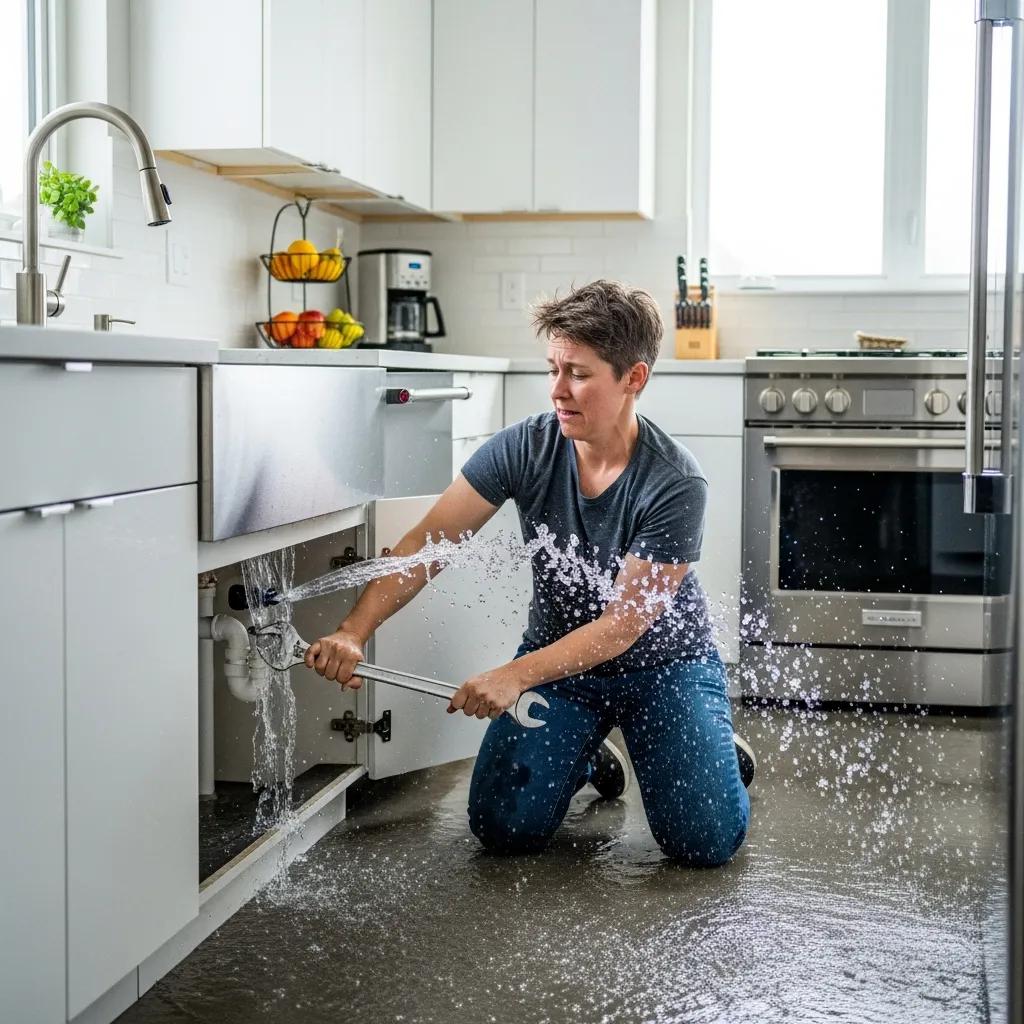
What Are the Best Burst Pipe Emergency Response Actions?
In the event of a burst pipe, homeowners should take the following actions:
- Shut Off the Water Supply: Immediately turn off the main water valve to stop the flow of water.
- Drain the Pipes: Open faucets at the lowest and highest points in the home to allow remaining water to escape and reduce pressure.
- Call a Plumber: Contact a professional to assess and repair the damage.
Taking these steps can significantly reduce water damage and expedite repairs.
How Can You Fix a Clogged Toilet Emergency Quickly and Safely?
For a clogged toilet, homeowners can follow these steps for a quick resolution:
- Use a Plunger: Ensure a good seal and plunge vigorously to dislodge the clog.
- Try a Toilet Auger: If plunging fails, a toilet auger can reach deeper clogs.
- Avoid Chemical Drain Cleaners: These can damage pipes and are often ineffective or harmful to plumbing systems.
These methods can help restore toilet function without causing further issues.
What Immediate Actions Should Be Taken for Sewage Backups and Gas Leaks?
Sewage backups and gas leaks are serious emergencies that require immediate attention. Knowing how to respond can protect health and safety.
How to Respond to Sewage Backup Immediate Action Needs?
In the case of a sewage backup, homeowners should:
- Evacuate the Area: Ensure all occupants leave the affected area.
- Shut Off Water Supply: Turn off the main water valve to prevent further contamination.
- Call a Professional: Contact a plumber experienced in sewage issues.
These steps can help mitigate health risks associated with sewage exposure.
What Are the Safety Protocols for Handling Gas Leaks at Home?
If a gas leak is suspected, homeowners should follow these safety protocols:
- Evacuate Immediately: Leave the premises and ensure others do the same.
- Avoid Flames and Sparks: Do not use matches, lighters, or electrical devices.
- Contact Emergency Services: Call the gas company or emergency services to report the leak.
These actions can prevent dangerous situations and ensure safety during a gas leak.
When Should Homeowners Call an Emergency Plumber and How to Find a Trusted Professional?
Knowing when to call an emergency plumber is crucial for effective plumbing management. Homeowners should be aware of the signs that indicate professional help is needed.
What Are the Signs That Indicate It’s Time to Call an Emergency Plumber?
Homeowners should consider calling an emergency plumber if they notice:
- Persistent Leaks: Continuous leaks that cannot be fixed with basic repairs.
- Severe Clogs: Blockages that do not respond to plunging or augering.
- Unusual Smells: Foul odors that may indicate sewage issues or gas leaks.
Recognizing these signs can help homeowners avoid further damage and health risks.
How Does The Self Made Plumber Referral Network Help Connect You with Reputable Plumbers?
The Self Made Plumber aims to be a central resource for homeowners facing plumbing issues and a facilitator for plumber referrals. By utilizing their referral network, homeowners can connect with reputable plumbers who are qualified to handle emergencies effectively. This service ensures that homeowners receive prompt assistance from trusted professionals, reducing the stress associated with plumbing emergencies.
How Can Homeowners Prevent Plumbing Emergencies and Prepare Effectively?
Preventing plumbing emergencies is essential for maintaining a safe and functional home. Homeowners can take proactive measures to minimize risks.
Research consistently highlights the importance of understanding homeowners’ perspectives on emergency situations and their preparedness practices.
Homeowner Emergency Preparedness & Practices
The aim of this study is to promote a better understanding of homeowners’ experiences and perceptions regarding household emergency situations and related preparedness practices. The focus group discussions centered on household emergency preparedness perceptions and practices.
Qualitative study of homeowners’ emergency preparedness: Experiences, perceptions, and practices, 2007
Studies highlight that despite the significant costs and risks associated with household emergencies, many homeowners remain inadequately prepared.
Homeowner Emergency Preparedness & Costs
Considerable morbidity, mortality, and costs are associated with household emergency situations involving natural hazards and fires. Many households are poorly prepared for such emergency situations, and little is known about the psychosocial aspects of household emergency preparedness. Problem: The aim of this study is to promote a better understanding of homeowners’ experiences and perceptions regarding household emergency situations and related preparedness practices.
Qualitative study of homeowners’ emergency preparedness: Experiences, perceptions, and practices, 2007
What Are Essential Plumbing Emergency Preparedness Kit Items?
An emergency preparedness kit can be invaluable during plumbing crises. Essential items include:
- Plumber’s Tape: Useful for temporary pipe repairs.
- Wrenches: For turning off valves and making adjustments.
- Buckets: To catch leaks and prevent water damage.
Having these items on hand can help homeowners respond quickly to plumbing emergencies.
How to Perform Routine Maintenance and Locate Shut-off Valves for Prevention?
Regular maintenance is key to preventing plumbing emergencies. Homeowners should:
- Inspect Pipes Regularly: Look for signs of wear, corrosion, or leaks.
- Know Valve Locations: Familiarize yourself with the locations of main water and gas shut-off valves.
- Schedule Professional Inspections: Have a plumber inspect the system annually or as recommended.
These practices can help identify potential issues before they escalate into emergencies.
Indeed, research suggests that direct experience with plumbing failures often motivates homeowners to adopt more rigorous preventative measures.
Homeowner Plumbing Leak Prevention
Not surprisingly, those who had experienced leaks were more likely to take precautions and invest in prevention devices to prevent future leaks.
Homeowners’ decision‐making in a premise plumbing failure–prone area, J Lee, 2013
| Emergency Type | Immediate Action | Prevention Tips |
|---|---|---|
| Burst Pipes | Shut off water supply, drain pipes | Insulate pipes, monitor water pressure |
| Clogged Drains | Use a plunger or auger | Regularly clean drains, avoid flushing non-degradable items |
| Water Heater Leaks | Shut off water and power supply | Inspect regularly, replace old units |
This table summarizes the immediate actions and prevention tips for common plumbing emergencies, helping homeowners respond effectively and reduce the likelihood of future issues.