How To Fix Low Water Pressure in Your Home: Causes, Diagnosis, and DIY Solutions
Low water pressure in your home can be a frustrating issue, affecting everything from showering to washing dishes. Understanding the causes and solutions is essential for homeowners looking to restore their water flow. This article will explore the common reasons behind low water pressure, how to diagnose the problem, and effective DIY solutions to increase water pressure in your home. By addressing these issues, you can ensure a more comfortable living environment and avoid the need for costly plumbing repairs. We will cover topics such as measuring normal water pressure, identifying common causes, diagnosing issues, and when to seek professional help.
What Is Normal Water Pressure and How Do You Measure It?
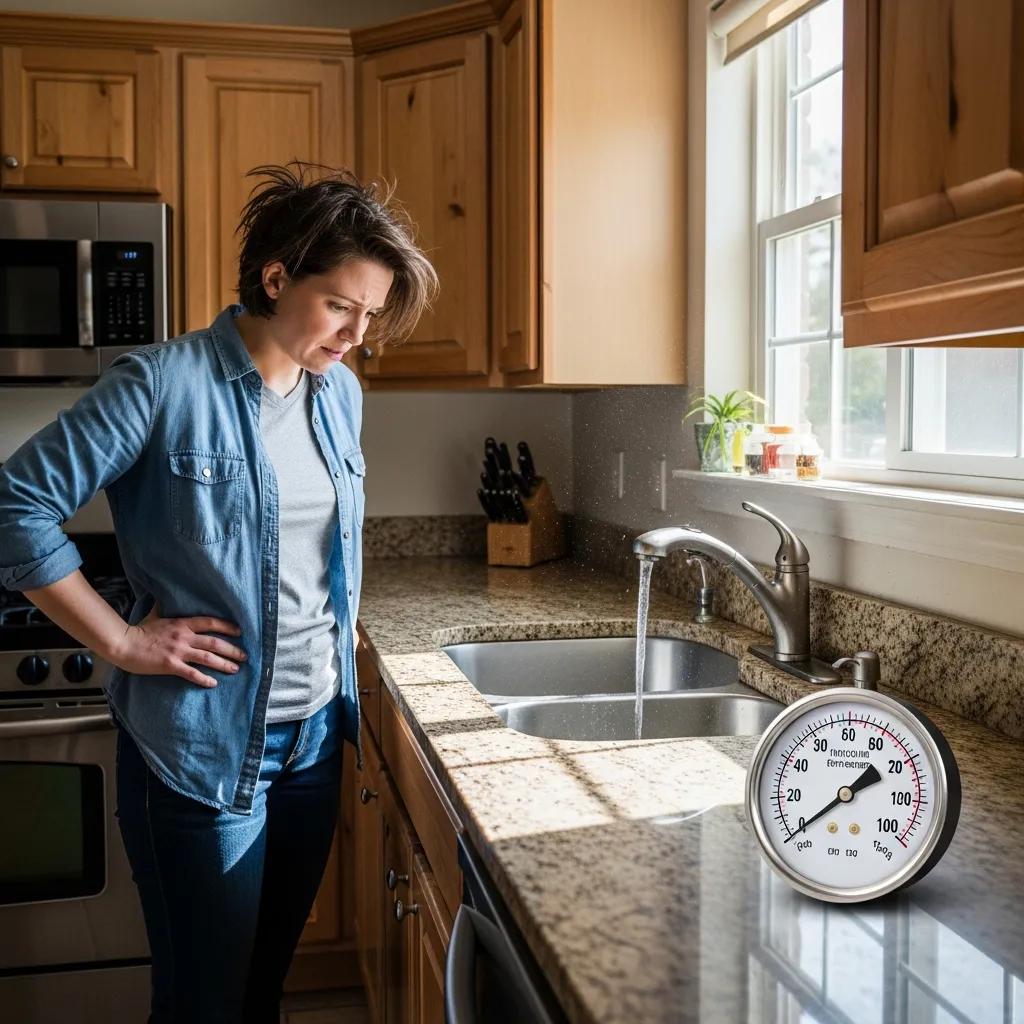
Normal water pressure in a residential setting typically ranges from 40 to 60 pounds per square inch (PSI). Maintaining this range is crucial for optimal water flow and appliance performance. Homeowners can measure their water pressure using a simple pressure gauge, which can be attached to an outdoor spigot or a faucet. This measurement helps determine if the pressure is within the ideal range or if adjustments are necessary.
What Is the Ideal PSI Range for Home Water Pressure?
The ideal PSI range for home water pressure is between 40 and 60 PSI. Pressures below 40 PSI may lead to inadequate water flow, while pressures above 80 PSI can cause stress on plumbing fixtures and appliances. Regularly checking your water pressure can help prevent issues and ensure that your home’s plumbing system operates efficiently.
How Can Homeowners Check Their Water Pressure Accurately?
To check water pressure accurately, homeowners need a pressure gauge, which can be purchased at hardware stores. Here’s a step-by-step guide:
- Attach the Gauge: Screw the pressure gauge onto an outdoor spigot or a faucet.
- Turn on the Water: Fully open the faucet to get an accurate reading.
- Read the Gauge: Observe the PSI reading on the gauge. If it’s below 40 or above 80, adjustments may be needed.
By following these steps, homeowners can easily monitor their water pressure and take necessary actions if it falls outside the normal range.
What Are the Common Causes of Low Water Pressure in Your Home?
Several factors can contribute to low water pressure in a home. Understanding these causes is essential for effective troubleshooting and resolution.
How Do Clogged Pipes and Mineral Buildup Affect Water Flow?
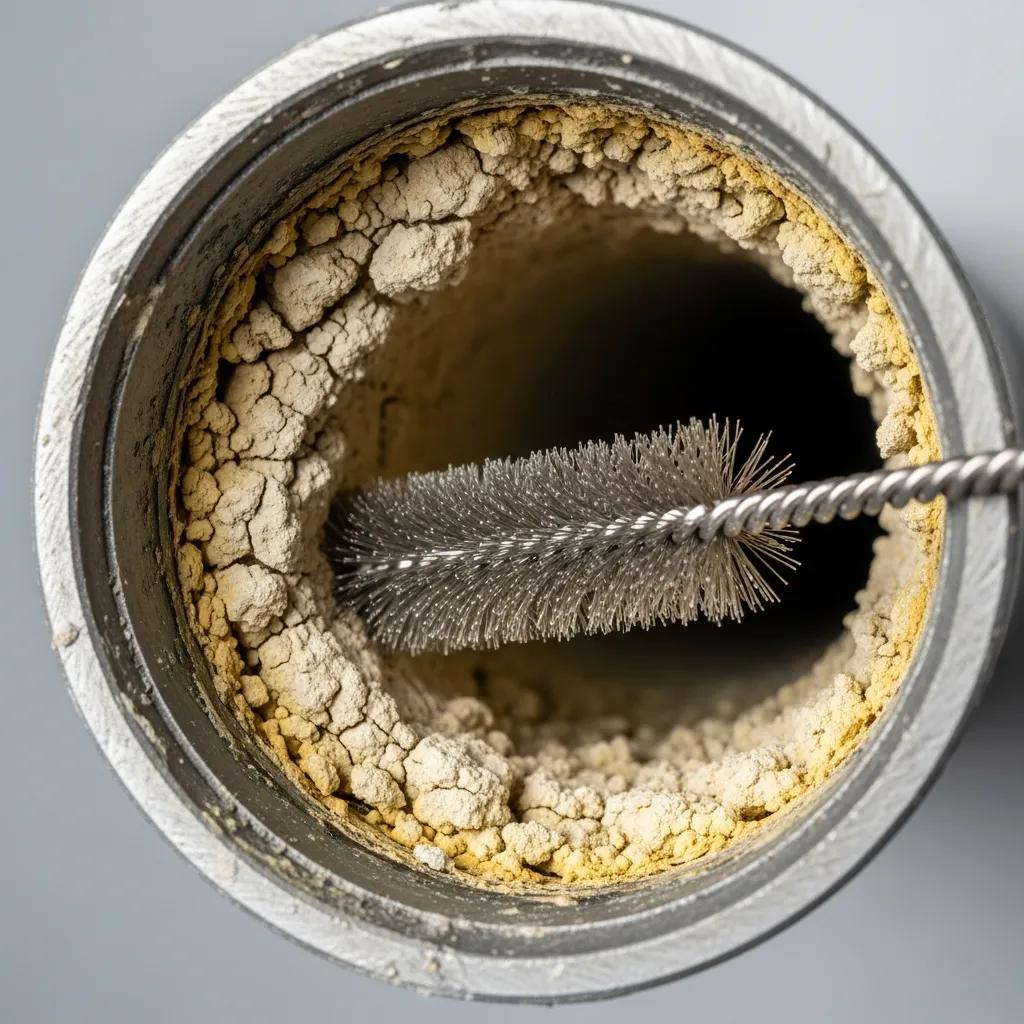
Clogged pipes and mineral buildup are common culprits of low water pressure. Over time, sediment and minerals can accumulate inside pipes, narrowing the passage for water flow. This buildup can occur in various plumbing fixtures, including faucets and showerheads, leading to reduced water pressure. Regular maintenance, such as flushing the system and cleaning fixtures, can help prevent these issues.
What Role Do Faulty Water Pressure Regulators Play in Low Pressure?
Water pressure regulators are devices that control the pressure of water entering your home. If a regulator malfunctions, it can lead to either excessively high or low water pressure. Signs of a faulty regulator include fluctuating water pressure and unusual noises from the plumbing system. Homeowners should inspect their regulators regularly and replace them if necessary to maintain consistent water pressure.
How Can You Diagnose Low Water Pressure Issues at Home?
Diagnosing low water pressure issues involves identifying symptoms and inspecting key components of the plumbing system.
What Are the Signs of Plumbing Leaks and Their Impact on Pressure?
Plumbing leaks can significantly impact water pressure. Common signs of leaks include:
- Wet Spots: Unexplained damp areas on walls or floors.
- Increased Water Bills: A sudden spike in water usage without a change in habits.
- Sound of Running Water: Hearing water running when no fixtures are in use.
If any of these signs are present, it’s crucial to investigate further, as leaks can lead to more severe plumbing issues and increased water bills.
How to Inspect Main Water Shut-Off Valve and Municipal Supply Problems?
Inspecting the main water shut-off valve and municipal supply is essential for diagnosing low water pressure. Here’s how to do it:
- Locate the Shut-Off Valve: Find the main shut-off valve, usually located near the water meter.
- Check the Valve Position: Ensure the valve is fully open. If it’s partially closed, it can restrict water flow.
- Contact the Water Supplier: If the valve is open and pressure issues persist, contact your municipal water supplier to check for supply problems.
By following these steps, homeowners can identify potential issues affecting their water pressure.
What DIY Solutions Can Increase Your Home Water Pressure?
There are several effective DIY solutions that homeowners can implement to increase water pressure in their homes.
How to Clean Faucet Aerators and Showerheads to Improve Flow?
Cleaning faucet aerators and showerheads is a simple yet effective way to improve water flow. Here’s how to do it:
- Remove the Aerator or Showerhead: Unscrew the aerator from the faucet or the showerhead from the pipe.
- Soak in Vinegar: Place the parts in a bowl of vinegar for several hours to dissolve mineral buildup.
- Scrub and Rinse: Use a soft brush to scrub away any remaining debris, then rinse thoroughly before reattaching.
Regular cleaning can help maintain optimal water flow and pressure.
What Are the Steps to Adjust Your Water Pressure Regulator Safely?
Adjusting your water pressure regulator can help restore proper pressure levels. Follow these steps:
- Locate the Regulator: Find the water pressure regulator, usually near the main shut-off valve.
- Use a Screwdriver: Turn the adjustment screw clockwise to increase pressure or counterclockwise to decrease it.
- Test the Pressure: After adjusting, check the water pressure with a gauge to ensure it’s within the ideal range.
Always take safety precautions when working with plumbing fixtures to avoid damage or injury.
When Should You Call a Professional Plumber for Low Water Pressure?
While many low water pressure issues can be resolved through DIY methods, some situations require professional assistance.
What Are the Warning Signs That Require Expert Plumbing Help?
Homeowners should consider calling a professional plumber if they notice:
- Persistent Low Pressure: If low water pressure continues despite DIY efforts.
- Multiple Fixtures Affected: When several fixtures show low pressure simultaneously.
- Unusual Noises: Hearing strange sounds from the plumbing system, indicating potential issues.
These signs may indicate more significant plumbing problems that require expert diagnosis and repair.
How Does The Self Made Plumber Connect You with Trusted Professionals?
The Self Made Plumber serves as a valuable resource for homeowners facing plumbing issues. By connecting you with trusted professionals, they ensure that you receive quality service tailored to your needs. Their referral platform simplifies the process of finding reputable plumbers, allowing you to address low water pressure and other plumbing concerns efficiently.
What Advanced Professional Solutions Can Restore Water Pressure?
In some cases, advanced solutions may be necessary to restore water pressure effectively.
How Do Water Pressure Booster Pumps Work and When Are They Needed?
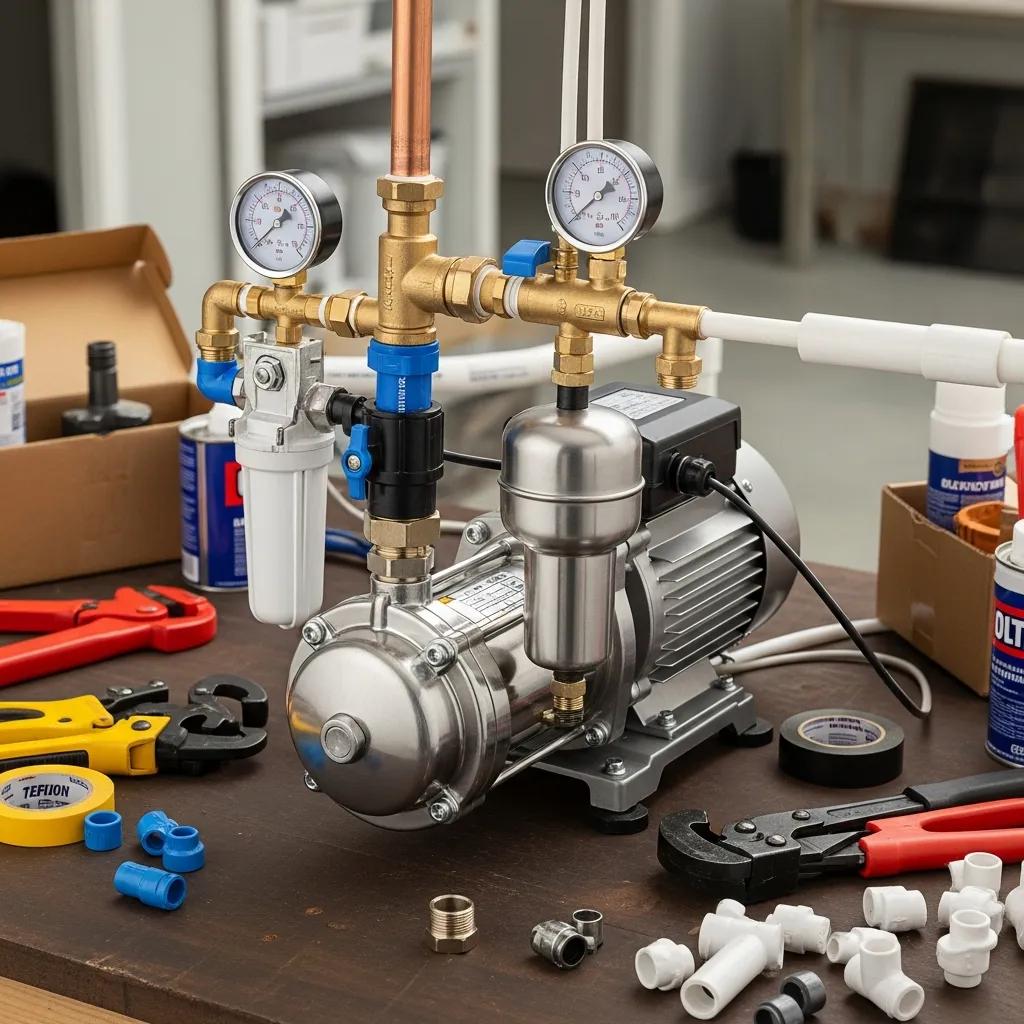
Water pressure booster pumps are designed to increase water pressure in homes with inadequate supply. These pumps work by drawing water from the main supply and boosting it to the desired pressure level. They are particularly useful in multi-story homes or areas with low municipal pressure. Installing a booster pump can significantly improve water flow and pressure throughout the home.
When Is Repiping Necessary to Fix Chronic Low Water Pressure?
Repiping may be necessary when low water pressure is caused by severely corroded or damaged pipes. Signs that indicate repiping include:
- Frequent Leaks: Regular leaks in multiple areas of the plumbing system.
- Discolored Water: Rusty or discolored water indicating pipe deterioration.
- Old Plumbing: Homes with outdated plumbing systems may require repiping for improved performance.
Consulting with a professional plumber can help determine if repiping is the best solution for chronic low water pressure issues.
| Cause of Low Water Pressure | Symptoms | Solutions |
|---|---|---|
| Clogged Pipes | Reduced flow, slow drainage | Clean pipes, flush system |
| Faulty Pressure Regulator | Fluctuating pressure | Inspect and replace regulator |
| Plumbing Leaks | Wet spots, high bills | Repair leaks, inspect plumbing |
| Municipal Supply Issues | Low pressure throughout home | Contact water supplier |
This table summarizes common causes of low water pressure, their symptoms, and potential solutions, providing a quick reference for homeowners.
In conclusion, understanding the causes and solutions for low water pressure is essential for maintaining a comfortable home environment. By diagnosing issues and implementing effective DIY solutions, homeowners can restore their water flow and avoid costly repairs. If problems persist, seeking professional assistance can ensure that your plumbing system operates efficiently.