Plumbing Tools Every Homeowner Should Own: Essential Toolkit Guide for DIY Repairs and Maintenance
Having a well-equipped plumbing toolkit is essential for every homeowner. It not only empowers you to tackle minor plumbing issues but also saves you money on professional repairs. This guide will explore the must-have plumbing tools, their uses, and safety tips for effective DIY repairs. By understanding the essential plumbing supplies, you can confidently address common household plumbing problems and maintain your home efficiently. We will cover the basic hand tools, drain clearing tools, safety measures, sealing and cutting tools, and when to call a professional plumber.
What Are the Must-Have Plumbing Tools for Every Homeowner?
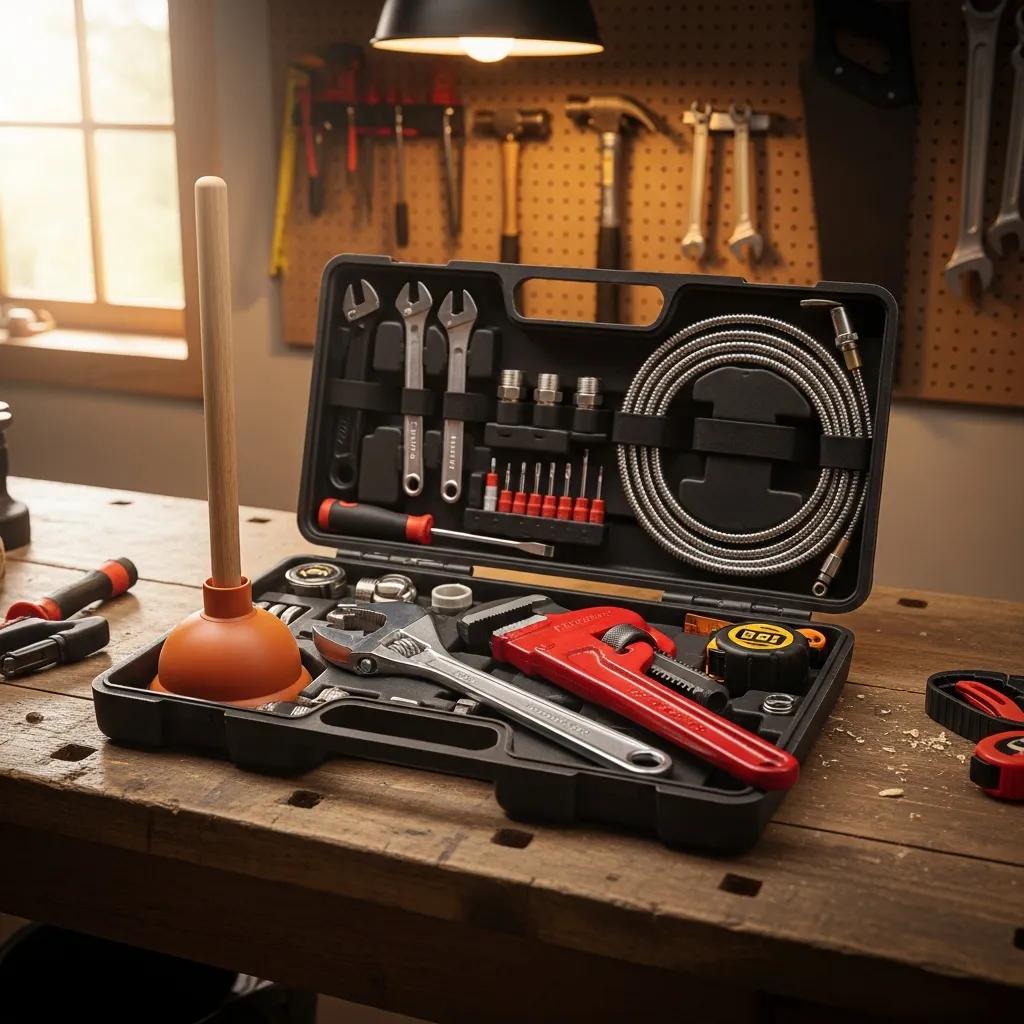
Every homeowner should have a basic plumbing toolkit to handle common repairs and maintenance tasks. Essential plumbing tools include:
- Adjustable Wrench: This versatile tool is crucial for loosening and tightening nuts and bolts on plumbing fixtures.
- Plunger: A must-have for clearing clogged drains and toilets, the plunger creates suction to dislodge blockages.
- Pipe Wrench: Ideal for gripping and turning pipes, this tool is essential for plumbing repairs involving pipe fittings.
- Drain Snake: This tool helps remove stubborn clogs from drains, making it easier to maintain clear plumbing lines.
- Teflon Tape (also known as Plumber’s Tape): Used for sealing threaded connections, Teflon tape prevents leaks in plumbing joints.
These tools form the foundation of a homeowner plumbing toolkit, enabling you to perform basic repairs and maintenance tasks effectively.
Which Basic Hand Tools Should Beginners Include in Their Plumbing Kit?
For beginners, having the right hand tools is crucial for successful plumbing repairs. Essential hand tools include:
- Screwdrivers: A set of flathead and Phillips screwdrivers is necessary for removing and securing screws on fixtures.
- Pliers: Slip-joint pliers and needle-nose pliers are useful for gripping, twisting, and cutting wires or small pipes.
- Utility Knife: This tool is handy for cutting through various materials, including pipes and insulation.
- Measuring Tape: Accurate measurements are vital for plumbing projects, making a measuring tape an essential tool.
How Do Drain Clearing Tools Help Solve Common Household Plumbing Issues?
Drain clearing tools are essential for addressing common plumbing issues such as clogs and slow drains. The most effective tools include:
- Plungers: They create suction to dislodge blockages in toilets and sinks, making them the first line of defense against clogs.
- Drain Snakes (also called augers): These flexible tools can reach deep into pipes to remove stubborn clogs caused by hair, grease, or debris.
- Hydro Jetters: For severe clogs, hydro jetters use high-pressure water to clear blockages and clean pipes thoroughly. These are typically used by professionals due to the equipment’s power and complexity.
By utilizing these drain clearing tools, homeowners can effectively manage plumbing issues and maintain their plumbing systems.
How to Use Essential Plumbing Tools Safely and Effectively?
Using plumbing tools safely and effectively is crucial for successful repairs. Here are some key safety tips and techniques:
- Read Instructions: Always read the manufacturer’s instructions for each tool to understand its proper use and safety precautions.
- Wear Safety Gear: Use safety goggles and gloves to protect yourself from debris and sharp edges while working on plumbing tasks.
- Turn Off Water Supply: Before starting any plumbing repair, ensure the water supply is turned off to prevent leaks and flooding.
What Are the Step-by-Step Techniques for Using a Plunger and Drain Snake?
Using a plunger effectively involves a few simple steps:
- Position the Plunger: Place the plunger over the drain, ensuring a tight seal.
- Push and Pull: Firmly push down and pull up on the handle to create suction. Repeat this motion several times.
- Check for Clogs: After a few attempts, check if the water drains properly. If not, repeat the process.
For a drain snake:
- Insert the Snake: Feed the snake into the drain until you feel resistance.
- Rotate the Handle: Turn the handle to break up the clog or hook onto it.
- Pull Out the Clog: Carefully pull the snake out, bringing the clog with it.
These techniques will help you effectively use a plunger and drain snake to clear clogs.
What Safety Gear Should Homeowners Wear During DIY Plumbing Repairs?
Safety gear is essential for protecting yourself during plumbing repairs. Recommended safety gear includes:
- Safety Goggles: Protect your eyes from debris and splashes while working on plumbing tasks.
- Gloves: Use durable gloves to shield your hands from sharp tools and hazardous materials.
- Knee Pads: If working on the floor, knee pads can provide comfort and protection while kneeling.
Wearing the appropriate safety gear ensures a safer DIY plumbing experience.
Which Plumbing Tools Are Best for Sealing, Cutting, and Fixture Repairs?
When it comes to sealing, cutting, and repairing fixtures, specific tools are essential for effective results. Key tools include:
- Pipe Cutters: These tools provide clean cuts on pipes, making them ideal for precise plumbing repairs.
- Hacksaws: Useful for cutting through various materials, hacksaws are versatile tools for plumbing tasks.
- Plumber’s Tape (Teflon Tape): This tape is essential for sealing threaded connections, preventing leaks in plumbing joints.
Having these tools on hand will ensure you can handle sealing and cutting tasks effectively.
How Does Plumber’s Tape and Putty Prevent Leaks in Home Plumbing?
Plumber’s tape and putty are vital for preventing leaks in plumbing systems. Here’s how they work:
- Plumber’s Tape (Teflon Tape): This tape is wrapped around threaded connections to create a watertight seal, preventing leaks at joints.
- Plumber’s Putty: Used for sealing around fixtures, plumber’s putty fills gaps and creates a waterproof barrier. It is not suitable for use on pressurized pipes or joints.
By using these materials correctly, homeowners can significantly reduce the risk of leaks in their plumbing systems.
What Are the Proper Uses of Pipe Cutters and Hacksaws for Home Repairs?
Proper use of pipe cutters and hacksaws is essential for effective plumbing repairs. Here are some guidelines:
- Pipe Cutters: Position the cutter around the pipe, tighten the handle, and rotate it around the pipe until it cuts through. This method ensures a clean, straight cut, especially on copper and plastic pipes.
- Hacksaws: For cutting through tougher materials or pipes not suitable for pipe cutters (such as steel or PVC), use a hacksaw with a fine-toothed blade. Apply steady pressure and let the saw do the work to avoid damaging the pipe.
Using these tools correctly will help ensure successful plumbing repairs.
When Should Homeowners Call a Professional Plumber Instead of DIY?
While many plumbing tasks can be handled by homeowners, some situations require professional assistance. Key indicators include:
- Severe Clogs: If plunging and snaking do not resolve a clog, it may indicate a more serious issue that requires professional tools and expertise.
- Leaking Pipes: Persistent leaks or water damage may require a plumber to assess and repair the underlying problem.
- Complex Installations: Installing new fixtures or systems, such as water heaters, often requires professional knowledge to ensure proper installation and compliance with local codes.
What Plumbing Problems Require Expert Assistance Beyond Basic Tools?
Certain plumbing problems necessitate the expertise of a professional plumber. Common issues include:
- Sewer Line Backups: These can indicate serious blockages or damage to the sewer line, requiring specialized equipment to diagnose and fix.
- Water Heater Issues: Problems with water heaters, such as leaks or failure to heat, often require professional repair or replacement.
- Pipe Bursts: A burst pipe can cause significant water damage and requires immediate professional intervention to prevent further issues.
Recognizing these problems early can save homeowners from costly repairs and extensive damage.
How Can The Self Made Plumber Help Connect You with Trusted Local Services?
The Self Made Plumber serves as a valuable resource for homeowners seeking plumbing solutions. By connecting you with reputable plumbing services, they facilitate plumber referrals to ensure you receive quality assistance. Whether you need help with a minor repair or a major installation, The Self Made Plumber can guide you to trusted local professionals who can address your plumbing needs effectively.
How to Maintain and Store Your Plumbing Tools for Long-Term Use?
Proper maintenance and storage of plumbing tools are essential for ensuring their longevity and effectiveness. Here are some best practices:
- Clean Tools After Use: Wipe down tools to remove dirt and debris, preventing rust and corrosion.
- Store in a Dry Place: Keep tools in a dry, organized space to prevent damage and ensure easy access.
- Regular Inspections: Periodically check tools for wear and tear, replacing any damaged items to maintain a functional toolkit.
What Are Best Practices for Cleaning and Caring for Drain Snakes and Wrenches?
Cleaning and caring for drain snakes and wrenches is crucial for their longevity. Follow these practices:
- Drain Snakes: After use, rinse the snake with water to remove debris. Dry it thoroughly and store it in a dry place to prevent rust.
- Wrenches: Wipe down wrenches with a cloth to remove grease and dirt. Apply a light coat of oil to prevent rust and ensure smooth operation.
By following these care instructions, homeowners can extend the life of their plumbing tools.
How Should Homeowners Organize Their Essential Plumbing Toolkit?
Organizing your plumbing toolkit can enhance efficiency and ease of use. Consider these tips:
- Use a Toolbox: A sturdy toolbox keeps tools organized and protected from damage.
- Label Sections: Label compartments for different types of tools, making it easy to find what you need quickly.
- Regularly Review Contents: Periodically check your toolkit to ensure all essential tools are present and in good condition.
An organized plumbing toolkit will streamline your DIY repairs and maintenance tasks.