

How to Clean and Maintain Your Bathroom Sink Drain Naturally: Effective Methods to Prevent and Remove Clogs
Maintaining a clean bathroom sink drain is essential for preventing clogs and ensuring proper drainage. This guide will provide you with effective methods to clean and maintain your bathroom sink drain naturally, helping you avoid the frustration of slow drainage and unpleasant odors. By understanding the common causes of clogs and implementing simple maintenance techniques, you can keep your sink functioning smoothly. This article will cover the causes of bathroom sink clogs, natural unclogging methods, mechanical tools for drain cleaning, regular maintenance practices, and when to call a professional plumber for assistance.
What Causes Bathroom Sink Drains to Clog? Understanding Common Blockages
Bathroom sink drains can become clogged due to various factors, primarily hair, soap scum, and hard water minerals. Understanding these common blockages is crucial for effective prevention and maintenance. Hair and soap scum accumulate over time, creating a barrier that restricts water flow. Hard water contributes to mineral buildup, exacerbating the clogging issue. Identifying these causes allows homeowners to take proactive measures to prevent clogs before they become significant problems.
How Do Hair and Soap Scum Contribute to Sink Drain Clogs?
Hair and soap scum are two of the most common culprits behind bathroom sink clogs. Hair can easily accumulate in the drain, especially when washing or grooming. Soap scum, formed from soap residue and minerals in water, can adhere to the sides of the pipes, creating a sticky buildup. Together, these materials can significantly restrict water flow, leading to slow drainage and potential backups. Regularly removing hair and using soap alternatives can help mitigate these issues.
What Role Does Hard Water Play in Soap Scum and Mineral Buildup?
Hard water contains high levels of minerals, such as calcium and magnesium, which can lead to soap scum and mineral buildup in your sink drain. When hard water evaporates, it leaves behind these minerals, which can accumulate over time and form stubborn deposits. This buildup not only contributes to clogs but can also damage plumbing fixtures. Using water softeners or regularly cleaning with vinegar can help reduce the effects of hard water on your plumbing system.
Which Natural Methods Effectively Unclog Bathroom Sink Drains?
There are several natural methods to unclog bathroom sink drains effectively. These methods utilize common household ingredients that are safe for both your plumbing and the environment. By employing these techniques, you can clear minor clogs without resorting to harsh chemicals.
How to Use Baking Soda and Vinegar to Clear Sink Drains Step-by-Step
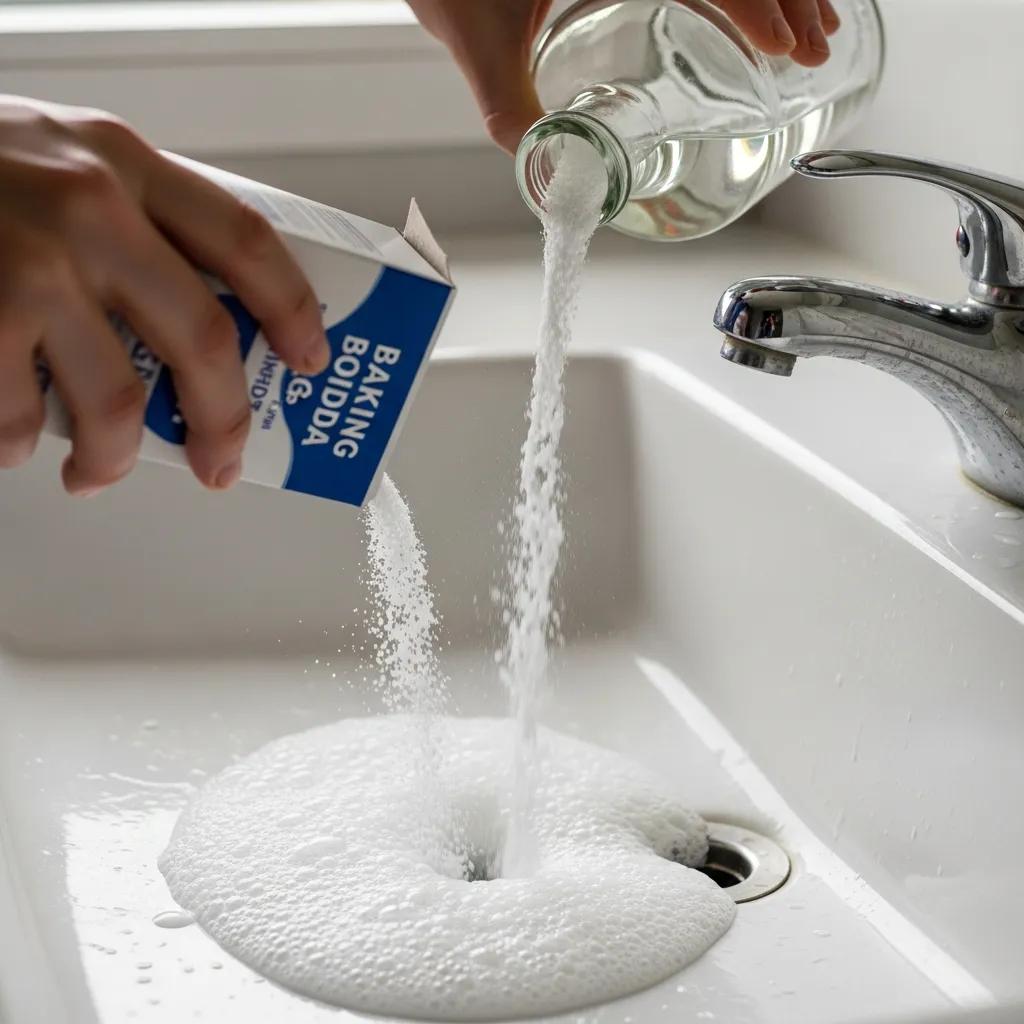
One of the most popular natural methods for unclogging drains involves using baking soda and vinegar. Here’s a step-by-step guide:
- Remove any visible debris: Start by clearing away any hair or debris from the drain opening.
- Pour baking soda: Add about half a cup of baking soda directly into the drain.
- Add vinegar: Follow with half a cup of vinegar. You will notice fizzing as the two ingredients react.
- Cover the drain: Place a stopper or cloth over the drain to keep the reaction contained.
- Wait: Allow the mixture to sit for about 15 to 30 minutes.
- Flush with hot water: Finally, pour hot (not boiling) water down the drain to clear any remaining residue.
This method not only helps to clear clogs but also deodorizes the drain.
When and How to Apply Boiling Water and Dish Soap for Drain Cleaning
Using boiling water and dish soap is another effective method for maintaining clear drains. Here’s how to do it:
- Boil water: Bring a pot of water to a rolling boil.
- Add dish soap: Pour a generous amount of dish soap into the drain.
- Pour boiling water: Carefully pour the boiling water down the drain. The heat helps dissolve grease and soap scum.
- Repeat if necessary: If the drain is still slow, you can repeat the process.
This method is particularly effective for grease-related clogs, as the hot water helps to break down the buildup.
What Mechanical Tools Help Remove Hair and Debris from Sink Drains?
In addition to natural methods, mechanical tools can assist in removing stubborn clogs from bathroom sink drains. These tools are designed to tackle blockages that may not respond to home remedies.
How to Use a Plunger and Drain Snake Safely and Effectively
A plunger and drain snake are essential tools for any homeowner. Here’s how to use them effectively:
Plunger:
- Ensure there is enough water in the sink to cover the plunger’s cup.
- Place the plunger over the drain and create a tight seal.
- Push down and pull up rapidly to create suction, which can dislodge the clog.
Drain Snake:
- Insert the snake into the drain until you feel resistance.
- Rotate the handle to break up the clog or hook onto debris.
- Pull the snake out, bringing the clog with it.
Both tools can be very effective when used correctly, but caution is necessary to avoid damaging your plumbing.
How to Disassemble and Clean the P-Trap to Remove Stubborn Clogs
The P-trap is a curved section of pipe under the sink that can trap debris and cause clogs. Here’s how to clean it:
- Place a bucket: Position a bucket under the P-trap to catch any water or debris.
- Loosen the slip nuts: Use your hands or a wrench to carefully loosen the slip nuts on either side of the P-trap.
- Remove the P-trap: Take the P-trap off and inspect it for clogs.
- Clean the trap: Use a brush or cloth to remove any buildup inside the trap.
- Reassemble: Reattach the P-trap, ensuring all connections are tight.
Regularly cleaning the P-trap can prevent significant clogs from forming.
How Can You Prevent Bathroom Sink Clogs with Regular Maintenance?
Preventing clogs is often easier than dealing with them after they occur. Implementing regular maintenance practices can help keep your bathroom sink drain clear.
What Daily Habits and Drain Strainers Help Keep Drains Clear?
Adopting daily habits can significantly reduce the risk of clogs:
- Use drain strainers: Install strainers over the drain to catch hair and debris.
- Rinse with hot water: After each use, run hot water down the drain to help dissolve soap scum.
- Avoid flushing inappropriate items: Never dispose of items like cotton swabs or hair in the sink.
These simple practices can help maintain a clear drain and prevent buildup.
What Is an Effective Weekly and Monthly Natural Maintenance Schedule?
Establishing a maintenance schedule can further enhance drain health:
- Weekly: Pour a mixture of baking soda and vinegar down the drain to prevent buildup.
- Monthly: Clean the P-trap and inspect for any signs of clogs.
- Seasonally: Consider using a professional drain cleaning service to ensure thorough maintenance.
By following this schedule, you can keep your bathroom sink drain in optimal condition.
When Should You Call a Professional Plumber for Sink Drain Issues?
While many clogs can be handled with DIY methods, some situations require professional assistance. Recognizing when to call a plumber is essential for maintaining your plumbing system.
What Are the Signs of Persistent or Severe Bathroom Sink Clogs?
Signs that indicate a need for professional help include:
- Slow drainage: If water drains slowly despite regular maintenance.
- Foul odors: Persistent bad smells coming from the drain.
- Multiple drains affected: If other drains in the house are also slow or clogged.
These symptoms may indicate a more significant issue within your plumbing system that requires expert intervention.
How Does The Self Made Plumber Connect You with Trusted Local Professionals?
The Self Made Plumber is a family-owned website built by a plumber to provide educational resources and guides for homeowners on plumbing repairs and maintenance. The platform aims to empower homeowners with plumbing knowledge, help them understand plumbing issues, and connect them with reputable plumbing services. If you encounter persistent drain issues, The Self Made Plumber can help you find trusted local professionals to address your plumbing needs effectively.